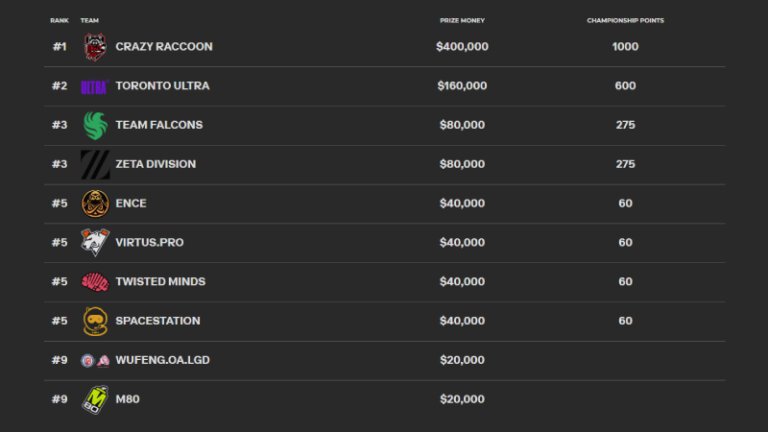
For the bigger picture and full context, make sure you read our main guide on Ewc Overwatch Schedule: Stage 3 Tournament Details Are Here.
The Esports World Cup (EWC) Overwatch bracket is where dreams are made and crushed, showcasing the very best teams battling for supremacy. Understanding the bracket is key to not only following the action but also appreciating the strategic depth of the tournament.
At a glance:
- Unpack the EWC Overwatch bracket format.
- Understand how teams qualify and their seeding implications.
- Analyze bracket dynamics and potential upsets.
- Identify key matches to watch and their strategic importance.
- Learn to interpret bracket results and predict future outcomes.
Decoding the EWC Overwatch Bracket Format
The EWC Overwatch tournament employs a format designed to reward consistent performance and create high-stakes matchups. The core structure centers on a Group Stage leading into a single-elimination Playoffs.
Here's how it typically breaks down:
- Group Stage: 16 teams are divided into 4 groups of 4. Each group plays a round-robin format, meaning every team in the group plays each other once. Matches are best-of-five (Bo5).
- Playoff Qualification: The top 3 teams from each group advance to the playoffs. This rewards consistent performance throughout the group stage.
- Playoff Seeding: Group winners receive a first-round bye in the playoffs, giving them a significant advantage. This incentivizes strong performance in the group stage.
- Playoffs: A single-elimination bracket determines the champion. All matches are Bo5. The single-elimination format means there's no room for error; one loss and you're out.
From Dallas to Riyadh: How Teams Qualify for the EWC
Teams earn their place in the EWC Overwatch bracket through a combination of impressive OWCS Dallas performances and regional qualifiers. This system ensures a mix of established powerhouses and rising talent from around the globe.
- OWCS Dallas Performance: Strong performances in the OWCS Dallas tournament often secure direct invitations to the EWC. This acknowledges the teams showing dominance in the regular season.
- Regional Qualifiers: Regional qualifiers offer a pathway for teams to earn a spot in the EWC. These qualifiers pit teams from specific regions against each other, crowning regional champions who then advance to the EWC. See the Overwatch Stage 3 Schedule for information on regional qualifier schedules and results.
Bracket Dynamics: Seeds, Upset Potential, and Strategic Pathways
The EWC Overwatch bracket isn't just a visual representation of the tournament; it's a landscape of strategic possibilities and potential pitfalls. Understanding how seeds influence matchups and identifying upset potential are crucial for analyzing the competition.
- Seed Advantages: Higher seeds, especially group winners with their first-round bye, enjoy a significant advantage. They face potentially weaker opponents in the initial rounds and have more time to prepare.
- Upset Potential: Lower-seeded teams can disrupt the bracket through strategic play and innovative strategies. These upsets can reshape the tournament landscape and create opportunities for dark horse contenders.
- Strategic Pathways: Teams often strategize their play based on potential matchups in the bracket. Identifying favorable matchups and avoiding difficult opponents becomes a key consideration.
Example: A lower-seeded team known for its strong tank line might specifically target a higher-seeded team with a known weakness in their support play, aiming to exploit that vulnerability and secure an upset victory.
Key Matches to Watch: Identifying High-Stakes Clashes
Not all matches in the EWC Overwatch bracket are created equal. Some matchups carry more weight due to team rivalries, strategic implications, or the potential for bracket-altering upsets.
- Rivalry Rematches: Matches between teams with a history of close contests and heated rivalries are always worth watching. The Toronto Ultra vs. Gaimin Gladiators match is a prime example, given their prior encounters.
- Potential Upset Alerts: Keep an eye on matches where a lower-seeded team with a unique playstyle faces a higher-seeded team with a known weakness. These matches often produce unexpected results.
- Bracket-Defining Clashes: Matches in the later stages of the playoffs, especially the semifinals and finals, have the highest stakes. These matches not only determine the champion but also solidify legacies and reshape the competitive landscape.
Interpreting Bracket Results: Beyond the Win-Loss Record
The EWC Overwatch bracket provides valuable data beyond simple win-loss records. Analyzing match results, map scores, and team compositions can reveal deeper insights into team strengths, weaknesses, and strategic adaptations.
- Map Scores: Analyzing map scores can reveal which maps a team excels on and which maps they struggle with. This information can be used to predict future performance and identify potential vulnerabilities.
- Team Compositions: Pay attention to the hero compositions teams employ in different matches. This can reveal their strategic preferences, adaptability, and counter-picking strategies.
- Statistical Trends: Identifying statistical trends, such as average damage output, healing efficiency, and objective control percentages, can provide further insights into team performance.
Example: A team consistently winning on control maps but struggling on escort maps might need to refine their strategies or hero compositions for escort scenarios.
Predicting Tournament Outcomes: A Data-Driven Approach
While predicting the future is impossible, analyzing the EWC Overwatch bracket and its results can provide a data-driven basis for forecasting potential tournament outcomes.
- Power Rankings: Consider established power rankings and expert opinions to assess the relative strength of different teams.
- Head-to-Head Records: Analyze head-to-head records between teams to identify potential advantages or disadvantages in specific matchups.
- Statistical Modeling: Utilize statistical models that incorporate factors like map scores, hero usage, and player performance to generate predictive probabilities for different tournament outcomes.
Practical Playbook: Your EWC Overwatch Bracket Strategy
Here's a step-by-step guide to making the most of the EWC Overwatch bracket:
- Familiarize yourself with the bracket: Understand the structure, seeding, and match schedules.
- Research the teams: Analyze their strengths, weaknesses, and recent performances.
- Identify key matches: Focus on high-stakes clashes and potential upsets.
- Follow the results: Track match outcomes, map scores, and team compositions.
- Interpret the data: Draw insights from the results to refine your understanding of the tournament.
- Make predictions: Use your knowledge to forecast potential outcomes and identify dark horse contenders.
Quick Answers: Common Questions About the EWC Overwatch Bracket
- Q: What happens if there's a tie in the group stage?
- A: Tiebreaker procedures vary, but often involve head-to-head records or additional matches. The specific rules are usually outlined in the official tournament guidelines.
- Q: Why is single-elimination used in the playoffs?
- A: Single-elimination creates a high-stakes environment and ensures decisive outcomes. Each match is crucial, and there's no room for error.
- Q: Are there hero bans in the EWC Overwatch tournament?
- A: Yes. Each team bans 1 hero per map with restrictions, adding another layer of strategy to the competition.
Decision Tree: Navigating the EWC Overwatch Bracket
- Is a team a top seed?
- Yes: Expect a strong performance and deep playoff run.
- No: Assess upset potential based on team strengths and opponent weaknesses.
- Is there a history between the teams playing?
- Yes: Expect a highly competitive and emotionally charged match.
- No: Focus on strategic matchups and potential style clashes.
- Is a team known for a specific map or hero composition?
- Yes: Anticipate strategic adjustments from their opponents to counter their strengths.
- No: Expect a more balanced and unpredictable match.
Actionable Close
Understanding the EWC Overwatch bracket is more than just knowing who's playing whom; it's about understanding the strategic landscape of the tournament. By analyzing the bracket format, team qualifications, and potential matchups, you can gain a deeper appreciation for the skill, strategy, and drama of competitive Overwatch. This deeper appreciation elevates you from a casual observer to an informed analyst.