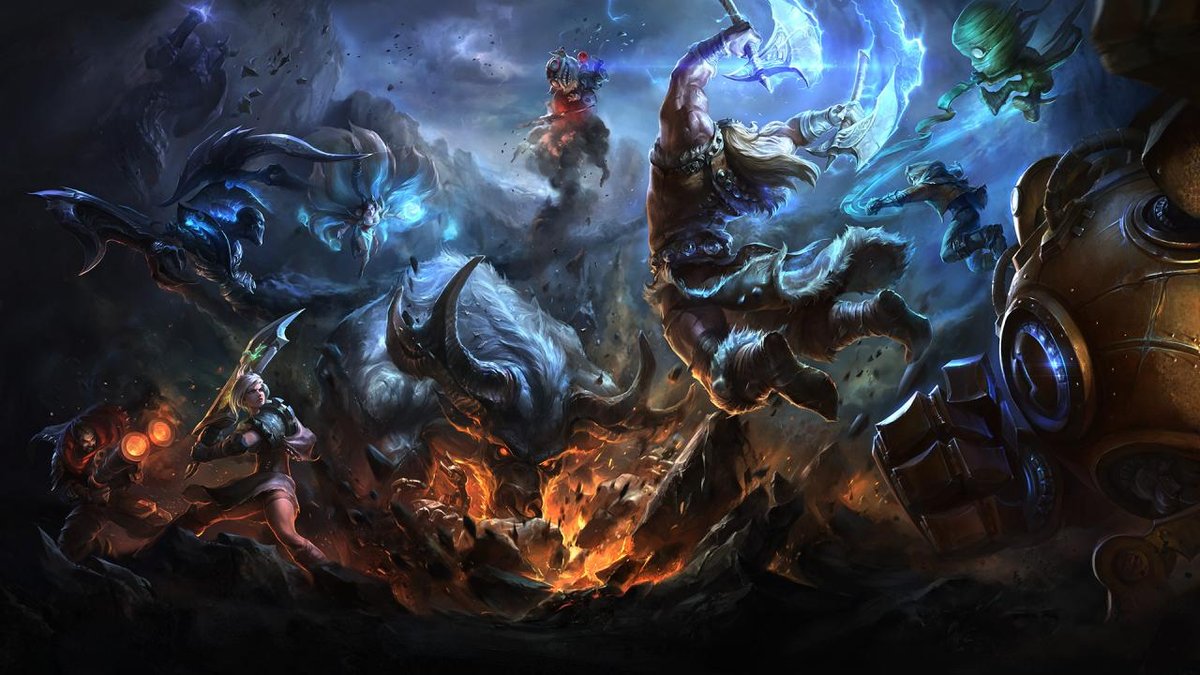
Ever hopped into a League of Legends match only to realize you've got a dinner reservation in 45 minutes? Knowing roughly how long are LoL games can be the difference between a strategic victory and a frantic forfeit. The answer, like most things in the Rift, is "it depends," but let's break down the typical match lengths so you can plan your gaming sessions accordingly.
At a glance:
- Summoner's Rift (5v5): Expect 25-45 minutes on average.
- ARAM (All Random All Mid): Usually wraps up in 15-20 minutes.
- Clash: Can be longer than standard Summoner's Rift due to coordinated play.
- Swarm: Generally lasts 20-25 minutes.
- Quickest Possible Game: A surrender can happen as early as 10 minutes, leading to sub-20-minute games.
The Main Variable: Game Mode
The biggest factor influencing the length of a League of Legends game is undoubtedly the game mode itself. Riot offers a variety of ways to play, each with its own distinct characteristics and average game duration.
Summoner’s Rift: The Classic Experience
The traditional 5v5 mode on Summoner’s Rift is the quintessential League of Legends experience. This is where Ranked games happen, and where you'll find the deepest strategic gameplay. On average, players spend 25 to 45 minutes per match in Summoner’s Rift.
These matches can swing wildly in length. A well-executed early game snow-ball can bring a swift victory, while matches at higher ELO (or in tournament play) often stretch out because of the cautious and methodical approach both teams take. Factors such as champion scaling and team coordination also play a role in determining game length.
ARAM: Short and Sweet Skirmishes
For those looking for a quicker hit of League of Legends action, ARAM (All Random All Mid) is the way to go. In ARAM, players are randomly assigned champions and battle it out on the single-lane Howling Abyss map. With no jungle to worry about and constant team fighting, ARAM matches are considerably shorter than Summoner’s Rift games.
Most ARAM games finish between 15 and 20 minutes, making it perfect for players who want a fast-paced, chaotic experience or those who are short on time. Think of it as your LoL espresso shot Tunjangan DPR Naik? Simak Ini.
Clash: When Competition Extends the Clock
Clash is Riot’s official team-based tournament mode. While Clash matches still take place on Summoner's Rift, they tend to run longer than your average solo queue game. This is due to the increased level of coordination, communication, and strategic planning that teams bring to the table. Teams are generally more cautious and play more defensively, leading to longer games.
Swarm: New PvE Mode
Swarm has plenty of different mechanics that separate it from regular matches on Summoner’s Rift, from its WASD control system and the various weaponry that you can equip on your champion to the “bullet heaven” type of gameplay you’ll get to enjoy as you rip through countless waves of enemies. On average, a match in League‘s new Swarm game mode can last about 20 to 25 minutes at its max, making it relatively fast. You get to level up your abilities, gather resources, and equip items to make your runs much more efficient and deadly.
Skill Level and Game Duration: Does It Matter?
Absolutely. Skill is a major influencer when predicting how long are LoL games. A mismatch in skill between teams can lead to a very quick victory for the dominant side. One-sided stomps rarely last long.
However, games between evenly matched teams can drag on as both sides carefully probe for weaknesses and advantages. High-elo players also tend to be more disciplined about objective control and avoiding unnecessary risks, which can also extend the game.
Champion Composition: Early Aggression vs. Late-Game Scaling
Champion composition also plays a significant role in determining the pacing of a League of Legends game. Teams with champions that excel in early-game aggression may secure a quick advantage by racking up kills or farming efficiently, leading to a faster victory. These teams often prioritize early tower dives and snowballing their lead across the map.
Conversely, teams with late-game scaling champions might aim to prolong the match as much as they can, giving their champions enough time to reach their full potential. These teams will often play defensively in the early game, focusing on farming and avoiding risky engagements, hoping to outscale the enemy team in the late game. The strategy you employ in champion selection can seriously affect the length of the game info selengkapnya.
Objectives, Team Fights, and Meta Shifts
Objectives such as towers, inhibitors, and major monsters like the Rift Herald, Baron Nashor, and the Dragons, also play a crucial role in determining the length of a League of Legends game. Teams that successfully secure these objectives gain a significant advantage over their opponents.
Objectives: Accelerating the Endgame
Those who get these objectives secure an advantageous position over their adversaries by providing their own team with helpful buffs to their armor, damage, or ability haste, effectively bringing the conclusion of the match closer. Securing early dragons, for example, can provide a team with permanent stat boosts that make them stronger in team fights and objective control.
Team Fights: Decisive Clashes
Another significant contributor to the game length is team fights. The pace of the game can shift dramatically during team fights. A well-executed and coordinated team fight can quickly turn the tide in favor of one team, potentially leading to a faster victory or a hasty defeat. However, if teams are matched evenly in terms of skills, they may engage in extended clashes, resulting in a way longer and more intense battle for supremacy. The frequency and outcome of team fights, coupled with their struggle to assume control over map objectives, influence the overall tempo of the game.
Meta and Balance: The Ever-Changing Landscape
League of Legends' evolving meta and the balance changes introduced by Riot Games also impact game duration. Shifts in the strength of certain champions, items, or strategies can influence the pace at which matches unfold. For example, if certain champions become overpowered, games may end faster as teams rush to pick them and exploit their strength. Similarly, changes to item stats or costs can affect the power spikes of certain champions and impact the timing of team fights and objective control.
Can You Control the Clock? Tips for Speeding Up (or Slowing Down) the Game
While you can't guarantee a League of Legends game will end exactly when you want it to, there are steps you can take to influence the duration.
Choose Team Compositions Wisely
As we’ve mentioned, League of Legends demands teamwork and coordination, which begins in the Champion Selection screen. Picking a team composition that works well together strengthens your chances of securing an early advantage and snowballing to victory. This also means widening your champion pool and choosing a champion that could possibly make a great combo with one or more of your teammates is always favorable and is sure to hasten your way to victory.
Conversely, if you're aiming for a late-game comp, pick champions that scale well and focus on surviving the early game.
Dominate Objectives Early
Objectives are extremely important in completing a game of Summoner’s Rift, as the game makes it pretty difficult for the team that ignored objectives for the entirety of the game to win. Don’t be the team that ignores objectives, and go for that early dragon. Go for that early Rift Herald, and don’t hesitate to damage enemy towers whenever you can—beware of the Jungle ganks, though. A couple of early towers can open up the map and make it easier to siege the enemy base.
Team Fight Awareness: Engage or Disengage
Not every team fight is a good team fight—the objective is to ponder and decide which is which. Know when and when not to engage in team fights. If your team is behind, avoid unnecessary fights and focus on farming and catching up. If you have a significant advantage, look for opportunities to force fights and close out the game. Understanding power spikes and team compositions will help in these decisions.
Common Questions About Game Length
Let's tackle a few frequently asked questions about how long are LoL games:
What's the shortest possible League of Legends game?
A team can surrender after ten minutes, so theoretically, the shortest possible game is under 20 minutes. This usually only happens when one team is getting completely dominated or experiences significant internal conflict.
Does Riot set a limit on match length?
Nope. Riot doesn't impose a hard time limit on matches. Games run until one team destroys the enemy Nexus. If both teams play cautiously, games can theoretically last over an hour.
Is there a difference in game length between Ranked and Normal games?
While the core gameplay is the same, Ranked games often take a bit longer. Players tend to take Ranked matches more seriously, leading to more cautious and strategic play baca selengkapnya di sini.
So, How Long Should You Expect?
Ultimately, League of Legends offers a variable experience. On average, expect to spend 25 to 35 minutes per match in Summoner’s Rift. Most ARAM games finish between 15 and 20 minutes.
Remember, these are just averages. Factors like skill level, champion composition, and team coordination can all significantly impact game duration. The best approach is to be mindful of the time you have available and choose the game mode that fits your schedule.
With a bit of planning and strategic gameplay, you can make the most of your League of Legends sessions, whether you're aiming for a quick ARAM fix or a long, strategic Summoner's Rift battle. And remember, even a "lost" game is a learning opportunity!