Ever wondered why your Clash team is facing opponents that seem a little too easy (or way too hard)? The secret lies in the intricate system of league of legends clash tier, which determines your team's placement and matchmaking within the tournament. Understanding your tier is crucial not only for predicting the competition but also for strategizing your lock-in time.
At a glance:
- Clash tiers range from IV (lowest) to I (highest), influencing matchmaking and lock-in timing.
- Your team's tier is primarily based on the highest-ranked player, with some consideration for the entire team's ranks.
- Knowing your tier allows you to optimize your lock-in strategy for the best possible bracket placement.
- ARAM Clash uses the same tier system as regular Clash, but with a focus on ARAM-specific improvements.
Decoding Clash Tier Placement
Clash isn't just about raw skill; it's about strategic team composition and understanding the competitive landscape. Your league of legends clash tier is the primary determinant of who you’ll be up against, and Riot’s system takes a nuanced approach to assigning it.
Essentially, it's a weighted average of your team's ranks, but with a significant emphasis on the highest-ranked player. Think of it like this: a team of four Bronze players with a Diamond player will likely be in a much higher tier than a team of all Silver players.
Here’s a simplified breakdown of what ranks generally correspond to each tier:
- Tier IV: Typically Bronze and Silver MMR players.
- Tier III: Generally Gold MMR players.
- Tier II: Usually Platinum MMR players.
- Tier I: Often Diamond and above MMR players.
Keep in mind that these are generalizations. Past Clash performance can also influence your team's tier, especially if you've consistently performed above or below your expected rank. If you are curious to learn more about clash, More on ARAM Clash Changes
Example:
Let's say you have a team with the following ranks: Diamond IV, Platinum II, Gold I, Silver III, and Bronze II. This team would likely be placed in Tier II, potentially even Tier I, due to the presence of the Diamond player. The other players' ranks provide some buffer, but the Diamond player's skill is the deciding factor.
Mastering the Lock-In Phase Based on Your Tier
Your league of legends clash tier directly impacts when you can lock in your team for the Clash bracket. Riot implemented this system to create a more balanced matchmaking experience by staggering the lock-in times. Teams in lower tiers get to lock in earlier, while teams in higher tiers must wait.
Here’s how the lock-in schedule works:
- Tier IV: Can lock in at any time during the two-hour lock-in window.
- Tier III: Can lock in 30 minutes after the lock-in window opens.
- Tier II: Can lock in one hour after the lock-in window opens (30 minutes after Tier III).
- Tier I: Can only lock in during the last 30 minutes of the lock-in window.
Strategic Implications:
The lock-in timing creates an interesting dynamic. Locking in early (as a Tier IV team) guarantees your participation but potentially exposes you to a wider range of opponents. Locking in later (as a Tier I team) means you'll likely face other highly skilled teams, but you run the risk of missing the lock-in window if there are any delays.
Example:
If the lock-in window opens at 6:00 PM, a Tier IV team can lock in immediately. A Tier III team must wait until 6:30 PM, a Tier II team until 7:00 PM, and a Tier I team until 7:30 PM. All team members must lock in before 8:00 PM, or they will forfeit their tickets.
ARAM Clash Tier: What’s Different?
While ARAM Clash uses the same tier system as Summoner's Rift Clash, there are a few key differences and nuances to keep in mind:
- No Ranked Requirement: ARAM Clash doesn’t require you to play any ranked games. This means your Summoner's Rift rank is less impactful, and your Clash history becomes more important. You still need to be level 30 and have SMS verification enabled.
- Emphasis on ARAM Skill: While overall MMR still plays a role, ARAM Clash matchmaking likely considers your performance in ARAM games. Therefore, your ARAM win rate and performance metrics are factors.
- Rerolls and Champion Select: In ARAM, you get two rerolls per game. Mastering champion select and knowing which champions excel in ARAM is crucial. Think strategically about trading champions with teammates.
Important Note: Riot has been implementing quality-of-life improvements to ARAM Clash, including matchmaking tweaks. Keep an eye on patch notes for the latest adjustments.
ARAM Champion Considerations:
Certain champions excel in ARAM due to the map's constant team fighting and limited mobility. Consider these strong ARAM picks when forming your team strategy: - Lux
- Blitzcrank
- Brand
- Singed
- Morgana
Practical Playbook: Maximizing Your Clash Tier Advantage
Here's a step-by-step guide to making the most of your understanding of league of legends clash tier:
- Assess Your Team's Ranks: Honestly evaluate each player's current rank and past Clash performance. Identify your highest-ranked player.
- Estimate Your Tier: Use the guidelines above to estimate your team's likely tier placement. Be conservative; it's better to overestimate than underestimate.
- Develop a Lock-In Strategy: Based on your estimated tier, plan your lock-in time. Higher-tier teams might want to lock in as late as possible to face tougher opponents. Lower-tier teams might prefer locking in early to avoid missing the window.
- Practice ARAM (for ARAM Clash): If you're participating in ARAM Clash, dedicate time to practicing ARAM. Familiarize yourself with strong ARAM champions and team compositions.
- Communicate Clearly: Ensure all team members understand the lock-in schedule and your chosen strategy. Clear communication is vital to avoid missing the lock-in window.
- Adapt and Learn: After each Clash tournament, review your performance and adjust your understanding of the tier system. Clash is constantly evolving!
Example Scenario:
Your team consists of Platinum IV, Gold II, Gold III, Silver I, and Bronze IV players. You estimate you'll be placed in Tier III. You decide to lock in at 6:45 PM (15 minutes after your lock in window opens) to try and avoid the initial rush of Tier IV teams, but still guarantee your spot.
Quick Answers: Common Questions About Clash Tier
- Q: Can I manipulate my rank to get a lower tier?
A: While technically possible, intentionally deranking is strongly discouraged and can lead to penalties. The system is designed to match you against similarly skilled opponents, so trying to game the system ultimately hurts your chances of success. Plus, it's not very sporting. - Q: What happens if a player's rank changes after we create the team?
A: Your team's tier is generally determined at the time of team creation and lock-in. Minor rank fluctuations shouldn't significantly impact your tier, but a large jump in rank could potentially affect matchmaking. - Q: Does ARAM MMR affect my Summoner's Rift Clash tier, and vice versa?
A: No. ARAM MMR and Summoner's Rift MMR are separate. However, your overall Clash history can influence your placement in both ARAM and Summoner's Rift Clash. - Q: What rewards do you get from clash?
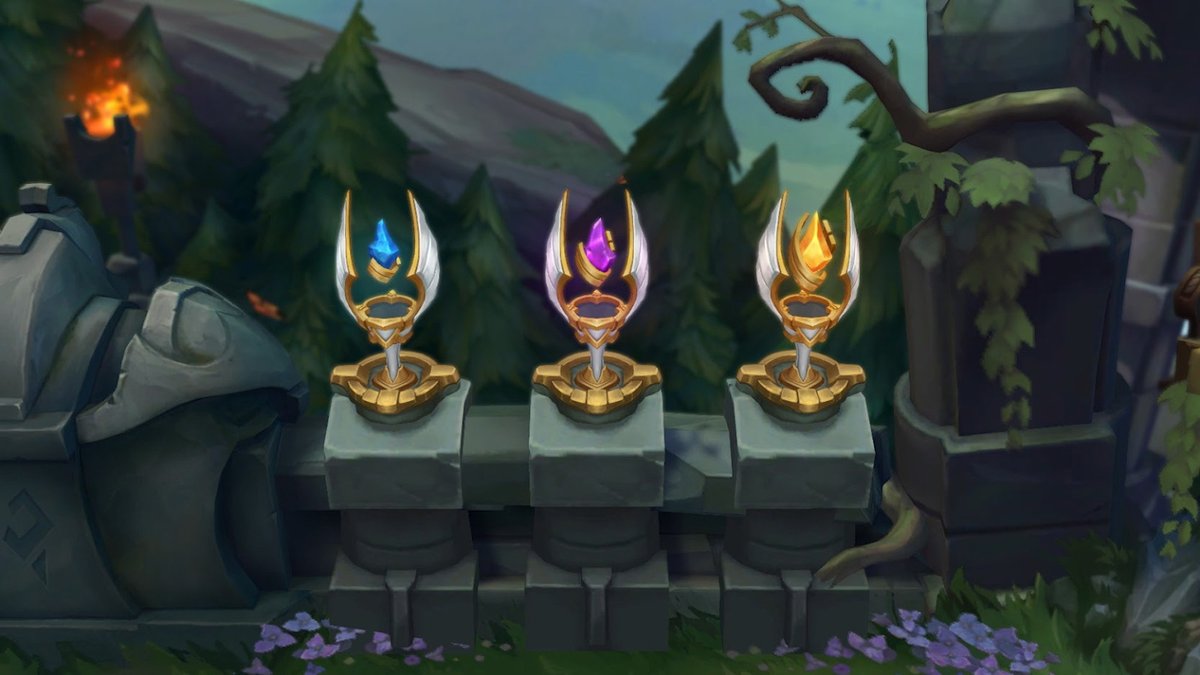
A: Clash rewards include Trophies, Victory Points, Orbs, and Capsules. Winning a tournament earns your team a Trophy which will show up at the nexus for two weeks after the tournament ends for all your Summoner's Rift games.
Actionable Close
Understanding your league of legends clash tier is a strategic advantage that can significantly improve your Clash experience. By honestly assessing your team's skill, planning your lock-in strategy, and adapting to the nuances of ARAM Clash, you'll be well-equipped to conquer the competition and claim victory. Good luck summoners, and may the odds be ever in your favor (or at least, may your tier placement accurately reflect your skill level!).